



Upper vs. Lower Blepharoplasty: Which Do You Need?
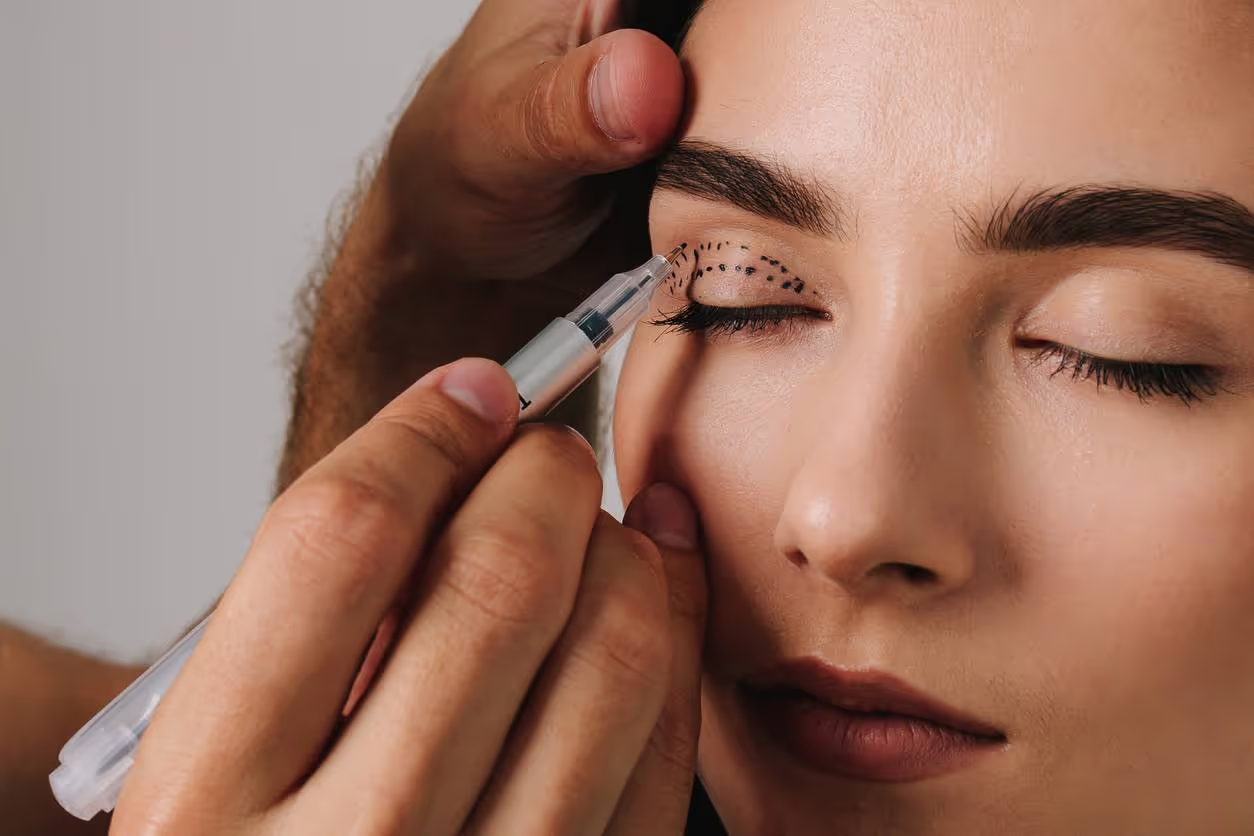
The eyes are often the first place people notice signs of aging. For some, it’s drooping skin that makes the upper eyelids look heavy or hooded. For others, it’s puffiness or bags beneath the eyes that never seem to go away, no matter how much sleep they get.
Blepharoplasty can address both concerns, but the approach depends on where the changes are happening. Upper and lower eyelid surgery treat different structures around the eye, and understanding that distinction is the first step in deciding what may be right for you.
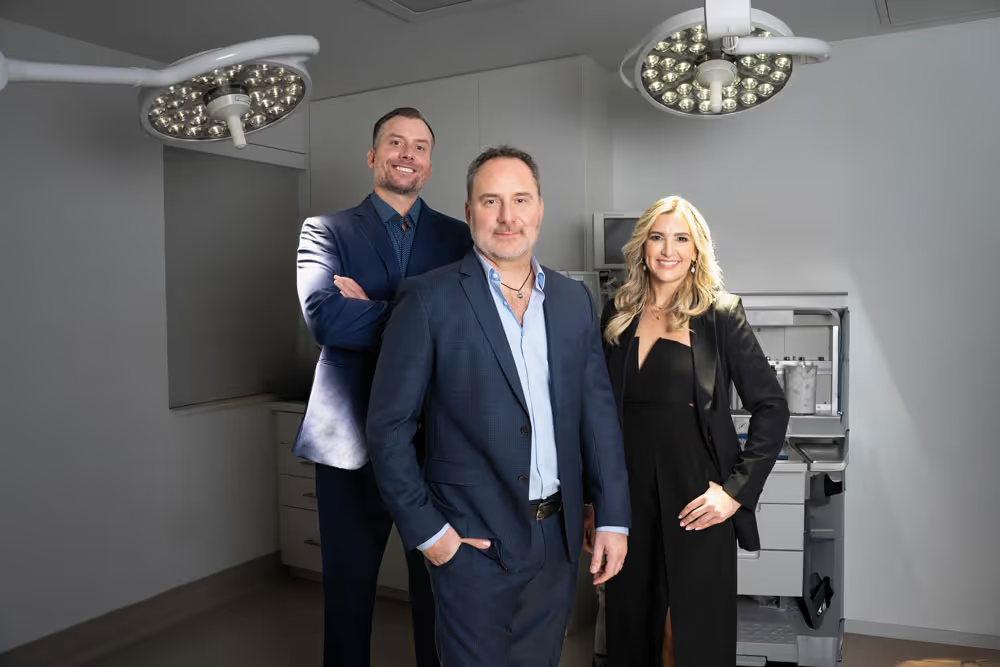
At PURE Plastic Surgery in Miami, FL, our double-board-certified plastic surgeons carefully evaluate the entire eye area to recommend the most precise and natural-looking solution for achieving your goals.
Why Eyelid Aging Looks Different for Everyone
Eyelid aging does not follow one predictable pattern because skin thickness, fat distribution and muscle tone vary from person to person. Some people notice excess skin on their upper lids, while others develop more under-eye fullness or loss of skin elasticity that changes the contour beneath the eyes. These changes are determined by genetics and facial structure, along with lifestyle factors like sun exposure and smoking.
What Can Blepharoplasty Address? (Or Not Address?)
Blepharoplasty can help correct excess eyelid skin and reposition or remove protruding fat to improve the overall contour of the upper or lower eyelids. Eyelid surgery does not change eye shape or completely eliminate fine lines caused by facial movement. It also cannot address pigmentation changes around the eyes. Other treatments can be added to the surgical plan to help address the quality and tone of the skin.
Upper Blepharoplasty
Upper blepharoplasty removes excess skin and repositions tissues on the upper eyelids. It is an option when aging has caused drooping or other changes in the upper eyelid area. Several different techniques can be used based on the type of aging that has occurred and whether it is primarily muscle or skin-related. Common concerns treated by upper blepharoplasty include:
- Drooping or Heavy Upper Eyelids: Excess skin on the upper eyelids can make the area look weighed down and tired. In some cases, the skin folds onto itself and makes the eyes appear smaller.
- Hooded Eyelids: Hooded eyelids occur when loose skin drapes over the natural eyelid fold, partially or fully concealing the crease. The result is a flatter upper lid appearance that can make eye makeup difficult to apply.
- Skin Resting on Lashes: When upper eyelid skin rests directly on the lashes, it can create visual crowding and discomfort along the lash line. It may also cause the lashes to angle downward rather than outward.
- Asymmetry: Sometimes one eyelid will droop more than the other and create asymmetry. Surgical planning accounts for these variations to improve the balance between the eyes.
Upper Blepharoplasty Techniques
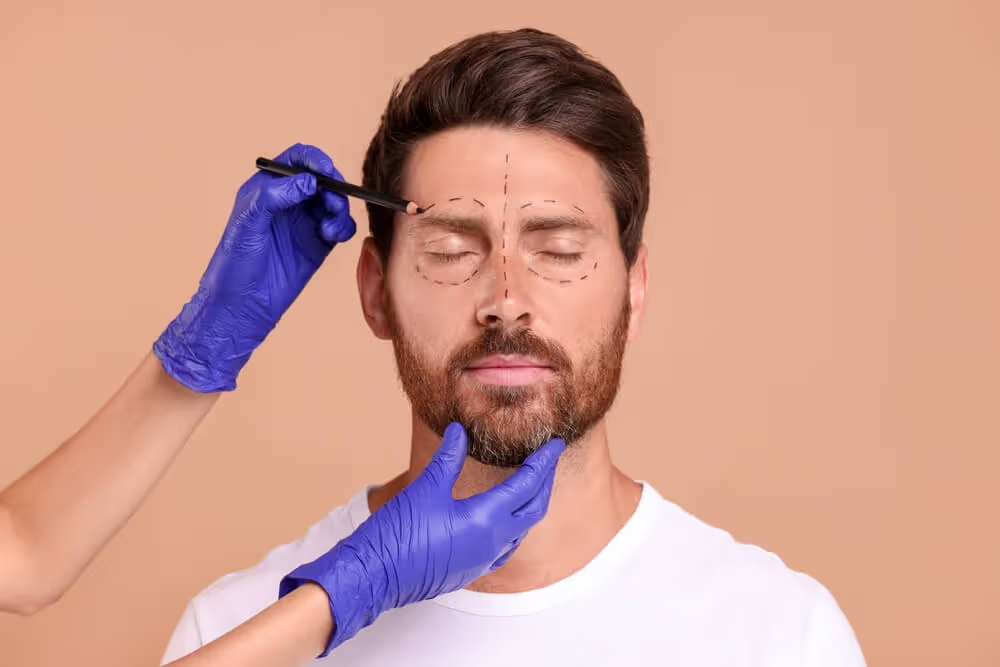
Upper eyelid surgery is typically performed through an incision placed within the natural crease of the eyelid, which allows us to remove excess skin and adjust the underlying tissues while keeping the scar well-hidden once healed. Through this incision, we may reposition or remove small amounts of fat and tissue to restore a balanced, rejuvenated appearance.
If drooping is caused primarily by weakness in the levator muscle rather than excess skin, the procedure may also include a repair of that muscle to restore a more natural eyelid position. During your evaluation, we determine which approach will create the most balanced and natural-looking result.
What Causes Upper Eyelid Drooping?
Skin Laxity and Collagen Loss
Upper eyelid skin is thin and contains fewer oil glands, so it is more prone to stretching and laxity. Collagen is the structural protein that helps the skin feel firm and youthful, and as collagen density decreases, it loses its ability to stay smooth. When elasticity declines, the skin can begin to fold over in the upper eyelid area and look heavier.
Weakening of the Levator Muscle
The levator palpebrae superioris is the muscle responsible for lifting the upper eyelid. When this muscle or its tendon attachment weakens or stretches, the eyelid can sit lower even if excess skin is minimal. During our surgical evaluation, we distinguish between muscle weakness and skin excess, both of which are sometimes present at the same time.
Brow Position and Its Effect on Eyelid Skin
Sometimes the position of the brow can be at fault for drooping eyelids. When the brow sits lower on the forehead, additional skin can push downward onto the eyelids and make it look like there is excess upper lid tissue. In these cases, it may be appropriate to consider a brow lift, either alongside an eyelid lift or by itself.
Lower Blepharoplasty
During a lower blepharoplasty, we make changes beneath the eyes to correct puffiness and skin laxity. Using techniques that maintain the natural curve of the lower eyelid, we may reposition or remove fat, tighten the tissues and remove excess skin. Common concerns treated by lower blepharoplasty include:
- Under-Eye Bags: Bulging pockets beneath the eyes result from fat shifting forward as the structures that normally hold it in place weaken. The fullness can appear worse in the morning because of fluid accumulation.
- Dark Circles: Dark circles can be caused by bags or puffiness that cast shadows beneath the eyes, making you look more tired than you feel. Repositioning fat can restore a more refreshed appearance when dark circles aren’t pigment-related.
- Loose or Crepey Skin: Reduced elasticity in the lower eyelid skin leads to fine wrinkling and laxity. The skin here is thin to begin with, so even small changes can be noticeable.
Lower Blepharoplasty Techniques
Lower eyelid surgery can be performed using different incisions. A transconjunctival incision is made on the inside of the lower eyelid, giving us access to fat without any external scars. If you don’t have much excess skin, this may be the right option for you. A subciliary incision is placed beneath the lash line and gives us access to the fat while also allowing us to tighten the skin.
Why Do Under-Eye Bags Form?
Protrusion of Orbital Fat
Fat pads beneath the eyes help cushion and support the eyeball. These fat pads normally sit behind a fibrous barrier called the orbital septum, which acts like a retaining wall. Over time, or due to genetics, this barrier can weaken and stretch, allowing the fat to shift forward and create the bulging appearance commonly known as under-eye bags.
Loss of Skin Elasticity
The skin beneath the eyes is among the thinnest on the body, which makes it especially prone to visible changes as collagen and elastin decline with age. As the skin loses firmness, it can begin to drape more loosely over the structures beneath it. This reduced elasticity can make puffiness or fat protrusion appear more pronounced.
Temporary Puffiness From Fluid Retention
Not all under-eye puffiness is structural. Fluid can accumulate in the delicate tissues beneath the eyes due to factors such as allergies, lack of sleep, smoking or salt intake. In these cases, the swelling may improve with rest, hydration or simple measures like cool compresses. When puffiness persists long-term, however, it may indicate structural changes that can be addressed with eyelid surgery.
What If I Have Both Upper and Lower Eyelid Concerns?
Many patients notice changes in both the upper and lower eyelids. Heavy or hooded upper lids can occur alongside under-eye bags, puffiness or loose skin beneath the eyes, which is why many patients benefit from addressing both areas in a single procedure.
When upper and lower blepharoplasty are combined, the result is a harmonious, balanced and refreshed look around the entire eye area. During your consultation, our surgeons evaluate the eyelids, brow position and overall facial proportions to determine whether treating one area or both will provide the most natural-looking outcome.
Refresh Your Look With Eyelid Surgery at PURE
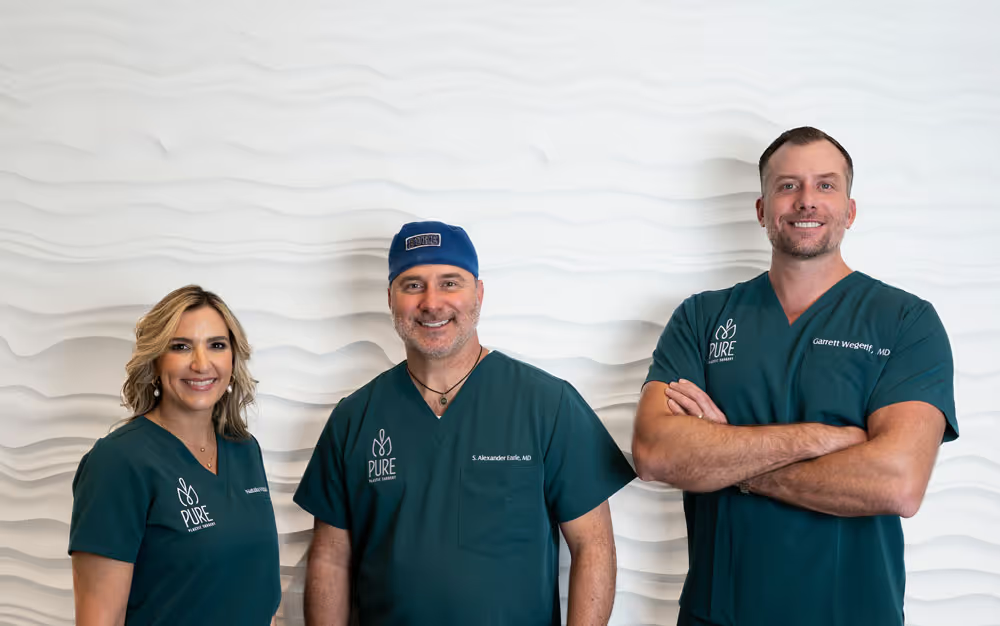
Eyelid surgery can improve your line of vision and reduce the eyelid heaviness that can make you look tired even after a good night’s sleep. At PURE Plastic Surgery, we perform upper and lower blepharoplasty with an emphasis on precision, facial balance and natural-looking results. Surgical planning and execution are done by one of three double-board-certified plastic surgeons. Start your journey with our online booking process or call us at 305-230-4326 to learn more about blepharoplasty and which technique might be right for you.
Further
Reading











































Media
PURE Plastic Surgery and our incredible team of surgeons have been recognized in magazines and news publications all around the world.